Advertisement feature
Managing energy efficiency in busy cities like London needs more than just smart meters and green practices. It also relies on often-ignored infrastructure like pipe insulation. In homes, offices, and factories, well-insulated pipes help retain heat, reduce energy loss, and boost sustainability efforts over time.
Why Pipe Insulation Matters in a City Like London
Urban demands, underground systems, and changing regulations
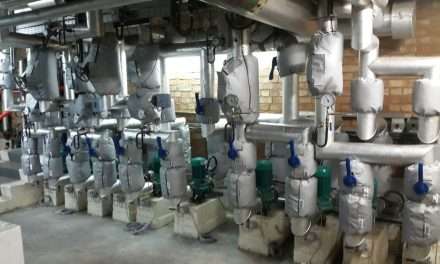
In the busy urban landscape of London, pipework insulation is vital for energy efficiency. It helps buildings meet modern standards. Uninsulated or poorly insulated pipes can cause heat loss, lead to frozen pipes, and increase the strain on boilers. This can lead to higher operational costs over time. In large cities, heating systems operate nearly all year. Maintenance can be a hassle, so using quality insulation helps cut energy waste and prevents unexpected breakdowns.
The Benefits Go Beyond Energy Saving
Thermal comfort, noise reduction, and system longevity
Across many sectors, pipe insulation offers more than just cost savings. In offices, thermal lagging can improve indoor comfort. It does this by stabilising heating performance. It can also help lower ambient noise from water movement. This is especially valuable in residential flats and hospitals.
Also, pipework insulation stops condensation on cold water lines. It reduces corrosion too. This results in pipe systems lasting longer and working more effectively over time.

Choosing the Right Insulation for the Job
Material types, building types, and performance needs
Not all insulation is the same. Depending on the building type and pipework system, you might use materials like mineral wool, nitrile rubber, or phenolic foam. Both rigid and flexible solutions are used in new builds and retrofits. What worked best depended on the goal: high-temperature resistance, quick installation, or fitting into tight spaces.
If you want a detailed breakdown of options and expert advice, check this guide to pipework insulation in London. It explores insulation methods in depth.
Insulation & Compliance: A Quiet Requirement
Meeting UK regulations and building standards
Insulation may not seem glamorous, but it’s now crucial for buildings. London’s commercial and public structures face growing demands to meet UK energy performance rules. These include Part L of the Building Regulations and guidelines from CIBSE (Chartered Institution of Building Services Engineers).
On refurbishment projects, pipe insulation isn’t just a “nice-to-have” anymore. It’s now essential for passing inspections and meeting EPC targets.
When to Upgrade Existing Pipework
Planning around repairs, renovations, and retrofits
Insulating existing pipework can be done without ripping up walls or shutting off entire systems. Installations tend to run more smoothly when insulation is added during maintenance or renovations. Signs it may be time to upgrade include:
- Fluctuating water temperatures
- Damp patches
- Pipes that sweat or freeze in colder months

Final Thought: Small Change, Big Impact
Improving building performance, one pipe at a time
Pipework insulation doesn’t draw much attention—but it can have a huge impact on energy usage, comfort, and even property value. In a city like London, where efficiency and space matter, optimising every part of a building system makes a noticeable difference. Whether you’re designing new systems or updating old ones, insulation deserves a spot high on the list.