

Advertisement feature
Why an effective AC installation guide matters
While an AC system installation might seem like an easy task, without proper preparation or knowledge of best practices, you’re likely to result in inefficient systems, increased energy costs, or safety concerns. This is why the most effective AC installation guide is imperative. This guide will clarify what to expect beforehand, provide links to other resources at REC Energy, and include warnings/acknowledgements of concerns to ensure home and business installations proceed smoothly.
What to do before an installation
Before a screw is drilled or a pipe is assembled, several factors must be considered. For example, assessing room sizes and configurations, existing ventilation, electrical capabilities, and permission (if needed) are ideal before an installation starts. In-depth preparations, checklists, and site assessment needs can be found on the REC Energy site. It’s also a good idea to evaluate the system type (split, multi-split, or ducted) and anticipated cooling and heating needs. Why? To avoid future concerns over poorly sized systems, airflow efforts, noises and more.
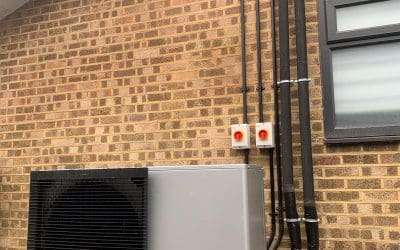
System equipment selection
Making the right decision involving size and equipment is the key to a successful process. Consider the following tips reiterated by the REC Energy guide:
- Ensure that cooling capacity is appropriate for room size/needed heat load; excessive units will merely short-cycle and fail to maintain ideal temperatures.
- Check energy ratings – higher season energy supply means lower bills.
- Ensure compatibility with overall structure (exterior condensing unit mounting is possible, pipe runs can access/avoid need, adequate condensate drain is established).
At REC Energy, specific options for equipment specs help make you the best choice.
What the guide tells you to expect
Once you’ve made good choices about sizing and steps to completion, the guide informs you about the anticipated logical progression of installation. There are several parts to the process – this is what comes first:
- Survey of site- According to the REC Energy guide, this involves identifying air mounting positions, proximity to power sources, and assessing the ability for pipe runs/drainage.
- Mounting Indoor & Outdoor Units- Orientation is key, as well as proper safety precautions and adequate mounting apparatus.
- Pipe Runs/Condensate Drain- Insulated, if necessary, pitched adequately for condensate removal from the unit and not backing up.
- Electrical supply and control wiring- Proper circuits for breakers/isolators, compliant earthing.
- Vacuuming & Refrigerant Charging – Removing moisture and air before charging; refer to the guide for assessment, there’s danger in neglecting this step.
- Commissioning & Testing – Is it working correctly in cooling, and is the air flowing where it’s supposed to? The quality is decent, sound levels are low, and the adjustable settings respond well.
As you assess these options in tandem with best practices from REC Energy, you’ll recognise common pitfalls. Where systems fail due to piping length, poor mounting, inadequate access to drainage and/or lack of testing, systems become ineffective or overused – and sadly, the end user only has themselves to blame for increased maintenance needs and lifetime decreases on systems.
Performance and maintenance after installation
Just because you’ve powered on your AC system doesn’t mean you’ve completed the job. For maximum performance and minimal issues of troubleshooting in the future, maintenance is critical. Practical steps outlined by the REC Energy resource include filter maintenance, addressing refrigerant concerns, ensuring drainage effectiveness, and optimising energy output. If any of these systems go awry, excessive electrical power usage, airflow direction/intensity fails, or excessive noise, you’ll have to refer back to see if it was an installation issue versus a machinery challenge.
AC Installation guide mistakes
These are common mistakes made during the installation which a practical guide/current professional resource like REC Energy can avoid:
- Improper sizing of systems- if they’re smaller/larger than necessary, temperature regulation will fail, and additional costs will be incurred. The guide offers sizing principles.
- Poor outdoor unit location- restricted access means excess noise, as units have to work harder than they need; excessive access means plants will damage components and reduce lifespan. Step one is a survey.
- Improper drainage- condensate failure leading to leaks/mould/water damage; guide guides appropriate pitch/drain access.
- Poor insulation/ too long refrigerant line makes efficiency difficult and may likely void warranties; specific details guide this.
- Poor commissioning/testing- deafening operational noise won’t be discovered until it’s too late; the guide emphasises this as an essential final step.
Without using your own plans and the AC installation guide from REC Energy, you are putting your investment at risk for future failure.
Why use a guide like this?
This article is a guide to a more extensive specialist guide available at REC Energy. For those in Dorset (and local business owners) seeking an overview in layman’s terms, this addresses the most critical factors. REC Energy can handle your installation from start to finish.
If you’re considering having someone else install it versus doing it yourself, feel free to check out the REC Energy information at every stage for your confidence.
A practical AC installation guide is more than a checklist; it’s a bedrock for ensuring your final comfort system works efficiently and effectively, avoiding common mistakes through planning materials, sizing, customisation, expert installation, and supportive efforts afterwards. Use this article as a guide to comprehensive support from the REC Energy guide to ensure you’ve been placed in the most effective position possible.


