
Advertisement feature
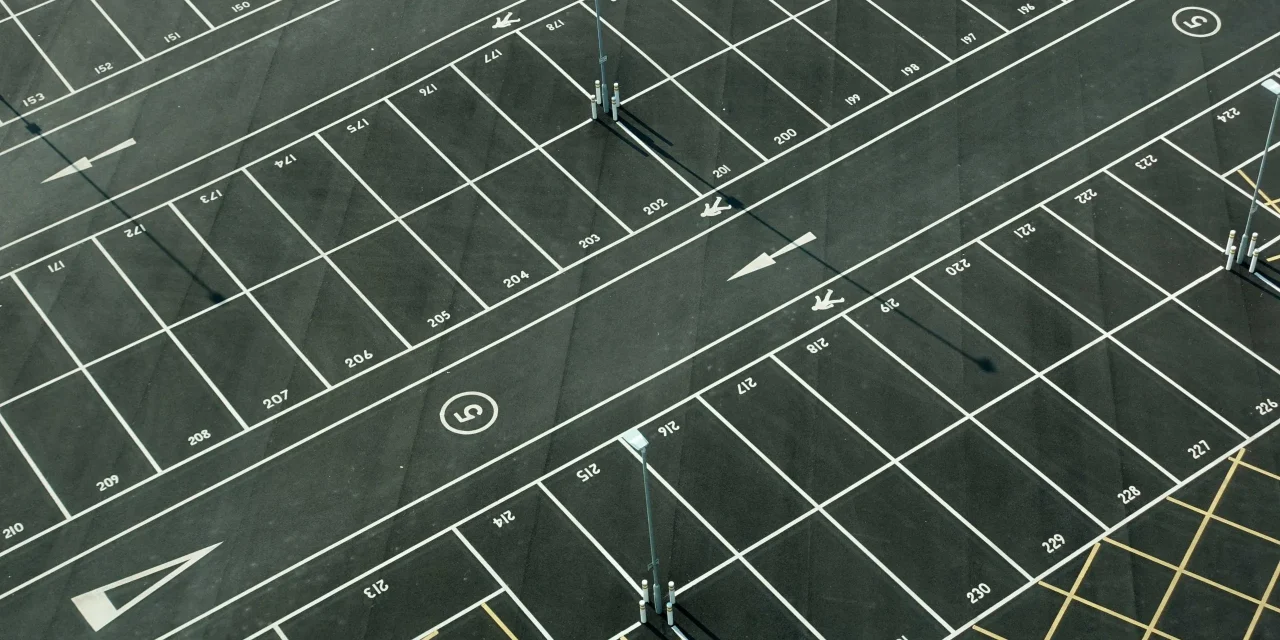
Clear, well-maintained car park lines are a practical investment for Bournemouth businesses aiming to reduce risk, improve customer flow and get the most from limited space. For retail centres, hotels and residential sites alike, correctly designed markings guide drivers and pedestrians, protect accessible bays and loading areas, and can reduce liability by demonstrating a proactive approach to site safety. Local seasonal pressures such as tourist peaks and event days make efficient layouts especially valuable here; small gains in capacity or clarity often translate into measurable operational and commercial benefits.
This guide focuses on the cost factors that influence material choice, installation and ongoing upkeep. It will help site managers understand how lifespan, weather exposure and traffic mix affect value for money, and how to brief contractors effectively. For immediate local support, consider contacting local line marking specialists in Bournemouth who can assess your needs and provide realistic quotes tailored to Dorset’s coastal conditions.
Why clear car park lines matter for Bournemouth businesses
Well-marked car park lines are a practical investment for Bournemouth businesses, improving safety, customer experience and commercial performance. Clear bay markings, directional arrows and pedestrian crossings reduce confusion at busy times — think summer weekends, events on the seafront or match-day surges — lowering the risk of minor collisions and the liability that follows. For retail and hospitality sites, visible, well-maintained markings help customers park quickly and confidently, shortening dwell time and increasing turnover for shops, cafés and hotels.
Optimising layout through thoughtful line design also increases usable capacity without the need for structural change. Adjusting bay widths and incorporating angled or tandem bays where appropriate can recover lost spaces in high-street car parks and leisure centres. For residential blocks and business estates, consistent markings clarify resident, visitor and loading zones, reducing disputes and enforcement costs. Regularly refreshed markings maintain accessibility compliance for disabled bays and improve wayfinding for delivery drivers and emergency services.
Simple measures — a site survey, prioritising high-visibility materials suited to Bournemouth’s coastal climate, and a planned maintenance schedule — deliver measurable returns. Clear car park lines are therefore both a safety necessity and a cost-effective way to make the most of limited space in Bournemouth’s varied commercial settings.
Local regulations, accessibility and council expectations in Bournemouth
Bournemouth businesses must design and renew car park lines with both national regulations and Bournemouth/Dorset council expectations in mind. Markings that define accessible bays, pedestrian crossings and loading zones are not merely helpful — they are often subject to statutory guidance. Accessible bays must meet width, signage and surface contrast standards so they remain usable for people with reduced mobility; bays close to entrances and routes to public transport or promenades are particularly important in a coastal town with high visitor numbers. Incorrect or missing markings can increase liability and lead to remedial requirements from inspectors.
When to consult the council or seek permits
Always check with the local authority before reconfiguring layouts that affect highways, public right-of-way, or paid parking controls. Consult the council when introducing new disabled bays, altering loading/unloading arrangements near schools, hospitals or leisure venues, or when striping affects traffic flow onto the public road. For larger changes, obtain written confirmation on permitted layouts and any signage requirements. Working with contractors who understand Bournemouth’s planning officers and permit processes reduces delays and ensures compliant, durable results for your site.
Site survey and layout choices for typical Bournemouth sites
Begin any redesign with a measured site survey. Record bay dimensions, entry/exit radii, pedestrian desire lines and obstacles such as columns, planters or bus stops. Note vehicle mix — private cars, delivery vans, coaches for seaside trips — and peak periods (tourist season, match days, Saturday shopping). Measure aisle widths, ramp slopes and visibility at junctions; these determine safe bay widths and angle choices. Consider sightlines to promenades and nearby pedestrian routes to avoid conflict points.
Survey checklist and spacing examples
Use a simple checklist: total area, number of existing bays, largest vehicle length, pedestrian crossings, disabled access routes and drainage runs. For town-centre linear sites use 2.4m x 4.8m bays with 6m aisles for two-way flow; on leisure sites where coaches arrive, provide 3.0m bays and 7–8m aisles. Angled bays (45–60°) can increase capacity and simplify one-way flow but require adequate turning space.
Translate findings into a pragmatic layout that balances capacity and safety. Produce a marked plan showing pedestrian routes, emergency access and servicing areas, then test with swept-path drawings for the largest vehicles. This evidence-led approach reduces rework, helps secure any council permissions and delivers clearer, longer-lasting markings for Bournemouth businesses.
Materials, durability and choosing local contractors
Selecting the right marking material for Bournemouth sites means balancing cost, durability and environmental exposure. Traditional road paint is cheapest and works for low-traffic car parks but typically needs repainting every 12–24 months. Thermoplastic offers much greater longevity (often 5–10 years) and resists abrasion from frequent vehicle movements; it is ideal for high-use retail and leisure car parks. Preformed tapes and cold-applied plastics are useful for quick repairs and temporary changes but can lift in wet, salty conditions common near the coast, so choose marine-grade products where salt spray or sea-facing promenades affect surface life.
When briefing contractors, specify expected lifespan, surface preparation, and any anti-slip or high-visibility additives. Ask for material data sheets and examples of recent Bournemouth or Dorset jobs to confirm performance in local conditions. Obtain at least three written quotes that break down materials, preparation, traffic management and warranty terms. Verify public liability and employer’s liability insurance, check references, and request a method statement for site access and coastal weather contingencies.
Value-for-money specification tips
For best ROI, prioritise durable markings on high-traffic aisles and pedestrian routes and use lower-cost paint for infill areas; this staged approach reduces whole-site disruption while extending overall service life.
Costing, maintenance plans and typical outcomes
Typical costs for repainting car park lines in Bournemouth vary with material and scale. Standard solvent-based or water-based paints for a small hotel or residential block typically range from £350–£900 for a single-day job; thermoplastic or specialist high-durability materials for larger retail parks or high-footfall seafront sites commonly start at £1,200 and can exceed £4,000 depending on area and preparation work. Budget for removal of old markings, surface repair and any permit fees when reconfiguring layouts.
A simple maintenance plan keeps lines effective and extends lifespan: inspect markings quarterly, schedule light touch-ups annually for painted lines, and plan for full reinstatement of higher-spec materials every 3–7 years depending on traffic and coastal salt exposure. Include seasonal checks before summer tourism peaks and after winter storms. Record inspections and photos to support warranty claims and liability management.
What businesses can expect
For a retail park, reprofiling bays alongside durable thermoplastic lines can make better use of the available space. For a small hotel, a repaint with clearer pedestrian routes can make arrivals smoother. For a residential block, selective removal and re-marking of bays can make parking allocation simpler to manage.


